

Spring has sprung (well perhaps crept) upon us and it has been a busy and mostly productive few months for MCA’s Nature Group, who have taken over the management of five Leek community orchards, formerly the responsibility of the district council. All but two orchards have now been pruned and had their mulch mats laid, along with the mulch. We hope to have completed the remainder soon. As well as providing a nurturing base for the trees, the mulch mats serve as a marker, hopefully preventing AES (Alliance Environmental Services, the council’s contractors) from strimming too near the trees and causing damage to the trunks.
SMDC has appointed a new officer responsible for the management of AES. He comes with a great background, having worked his way up from grounds maintenance, through the highly technical (but not typically nature-friendly!) world of sports pitches to latterly being responsible to Staffordshire University for making their grounds more wildlife sensitive (in partnership with Staffs Wildlife Trust). The group hopes to meet him shortly for further co-operation. On the orchards themselves, we have talked to SMDC biodiversity officer, Katie Hampton, about signage, as suggested by Cllr. Matt Swindlehurst when he attended an MCA Nature meeting. This will make clear that MCA are now managing the orchards.
 The Nature Group held a lively meeting this February, at which the full range of its activities and the depth of members’ experience were on show. Among the many subjects discussed were the management of community orchards, the upcoming Willow Tit/Save Danes Moss event at Macclesfield and the imminent launch of the Nature in Your Neighbourhood project.
Kate Hampton, the new Biodiversity Officer for Staffordshire Moorlands and the High Peak, came to the meeting to introduce herself and talk about her work so far. This included the Plan for Nature, launched last year. A wide-ranging discussion on the Plan followed, including questions on targets, how the Plan might affect planning decisions, and the need to engage with the farming community.
Kate was clear about how much flesh there is still to be put on the bones of the Plan, particularly in light of how recently much of the legislation and guidance under the Environment Act 2021 has emerged.
She said her immediate priorities included fashioning this into a Biodiversity Strategy for the council, including the land the council itself owned, and issuing a Declaration for Nature along the lines drafted by Staffordshire Wildlife Trust (SWT).
Read more: Nature in Your Neighbourhood - Our New Biodiversity Officer
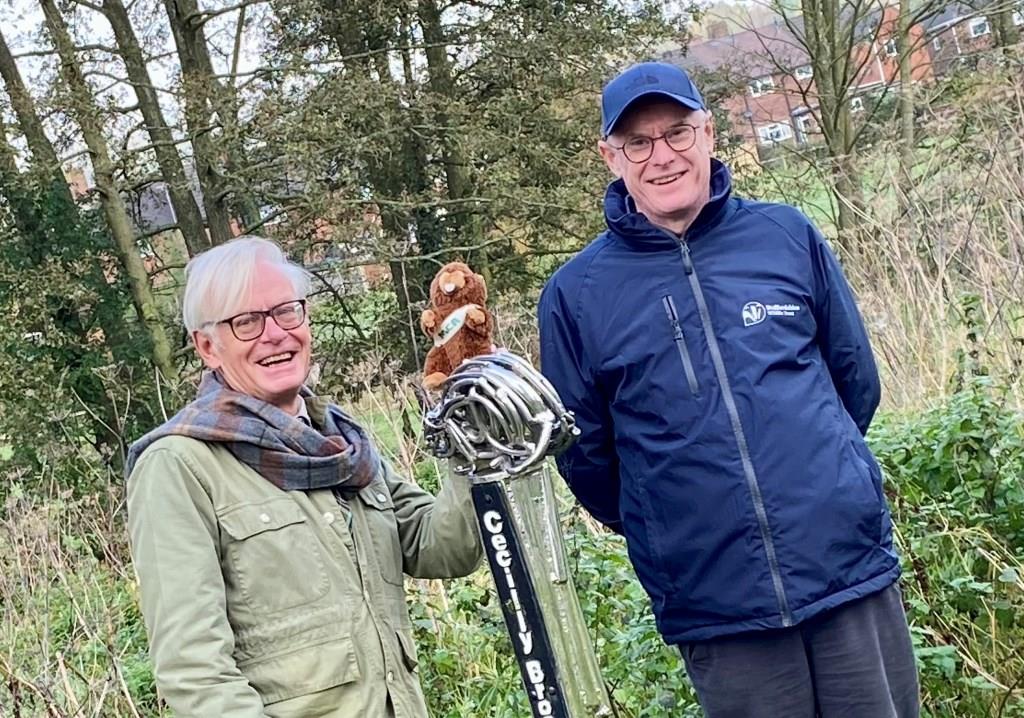 MCA mascot, Baldrik the Beaver, got a day out by the waterside this month when he was present at the official launch of the Plan for Nature at Cheadle’s Cecily Brook. The nature reserve is run by Staffordshire Wildlife Trust and is a key location for the water vole – one of the species at the top of the list under the plan to protect and enhance habitats.
The Plan – drawn up by SWT and SMDC – aims to focus the various district efforts on biodiversity. It is framed by a number of provisions of the Environment Act 2012, most of which passed into law this year. Apart from helping fulfil the council’s enhanced duty on biodiversity, the Plan also gives shape to its role as supporting authority for the County’s statutory Nature Recovery Network, unveiled earlier this year.
Amid the network of laws and powers it’s easy to lose track but the pivotal role of Staffs Wildlife Trust gives comfort. SWT’s Dave Cadman is drawing up baseline assessments against which the overarching target of 30% of land ‘managed for nature’ will be measured. Defra and England are scheduled to publish guidelines ‘later this year’ but as always are running late.
 What a fabulous time we had at the Family Fun Day at Tittesworth! This was organised by Severn-Trent at their visitor centre, with wildlife and biodiversity a key focus.
We met lots of fantastic people who love nature, who took part in our greenhouse gases game, guessed the number of worms in our compost jar and showed great expertise in creating bumblebee masks.
Roll on next year's event.
 Would you like to have a local Community Nature Trail? This is an idea being promoted by More Human, a nationwide community action group. The concept is to identify a route with significant areas or points of interest and then create a map of the trail. This could include trail stops and narrative details of things to see at the stops. These might be landmarks or significant planting or trees, etc. We would then produce a leaflet to be placed in venues such as the library, local community centres, shops, etc. Find Out More Here
We will be discussing this (and much more!) at the next Nature meeting on 14th August. If you have ideas for a possible trail, please join us at the meeting.
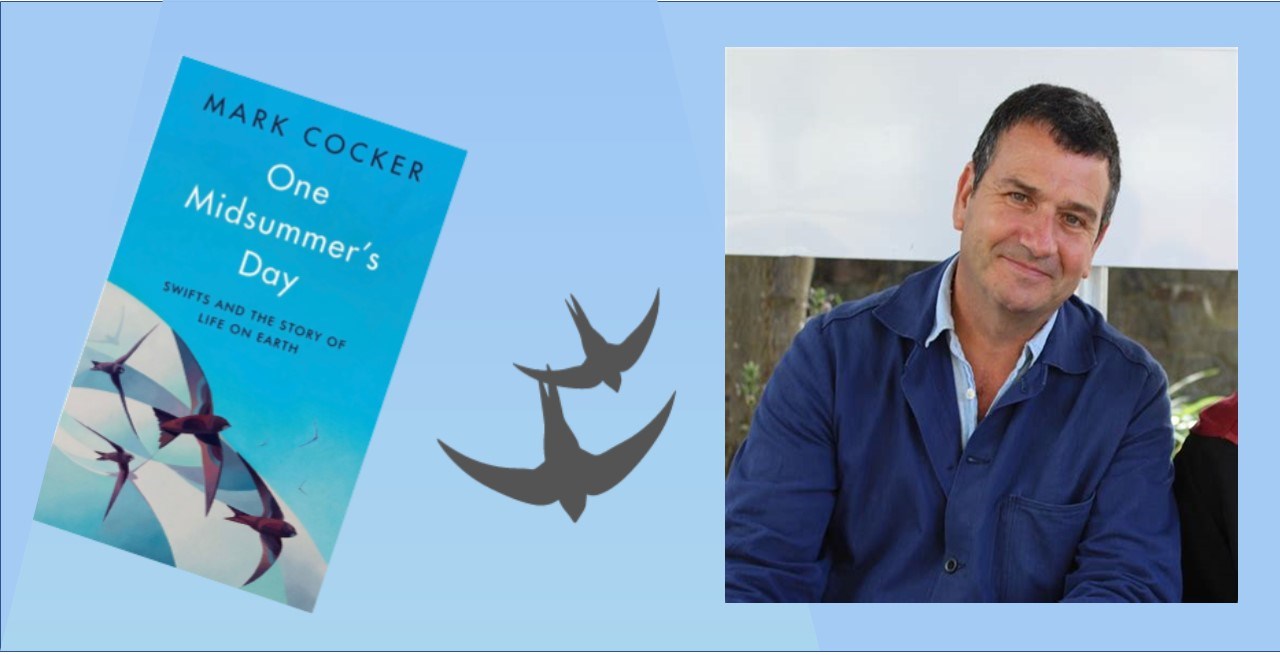 Swifts typically arrive in Early May. Tell us when and where you saw your first Swift this summer. If you write just a few words about what this meant to you, you could win a copy of this new book signed and presented to you by nationally-acclaimed author Mark Cocker. Please send your words and sighting by 30 June to
A Summer Evening with Mark Cocker
Moorlands Climate Action welcomes author Mark Cocker back to the Foxlowe Arts Centre on Wednesday 12 July. A truly inspiring speaker, Mark will take to the stage at 7.30pm to discuss his latest book One Midsummer's Day - Swifts and the Story of Life on Earth with MCA's own Mark Johnson. Tickets are free and available at Eventbrite.
This competition and talk form part of a multi-year programme to build on the work of Swifts of Leek in bringing back this beautiful but threatened bird in the numbers once seen in the skies above Leek. This includes new swift boxes and recording sightings on the RSPB Swift Map.
- The Manifold Tree Planting Project
- Why on Earth - Should We Care About Soil?
- Beavers are Back!
- Leek Wild Week
- Kiss The Ground
- Nature and Landscape Recovery in England
- A Rough Guide to Using Leaves for Leaf Mould instead of Peat
- Brough Park - Long Read
- Nature News
- Going All Poldark
- Bee-friendly Project with Leek Town Council
- Oak Fostering Scheme